How to Save $278.28 on Aspirational Groceries – Every Year!
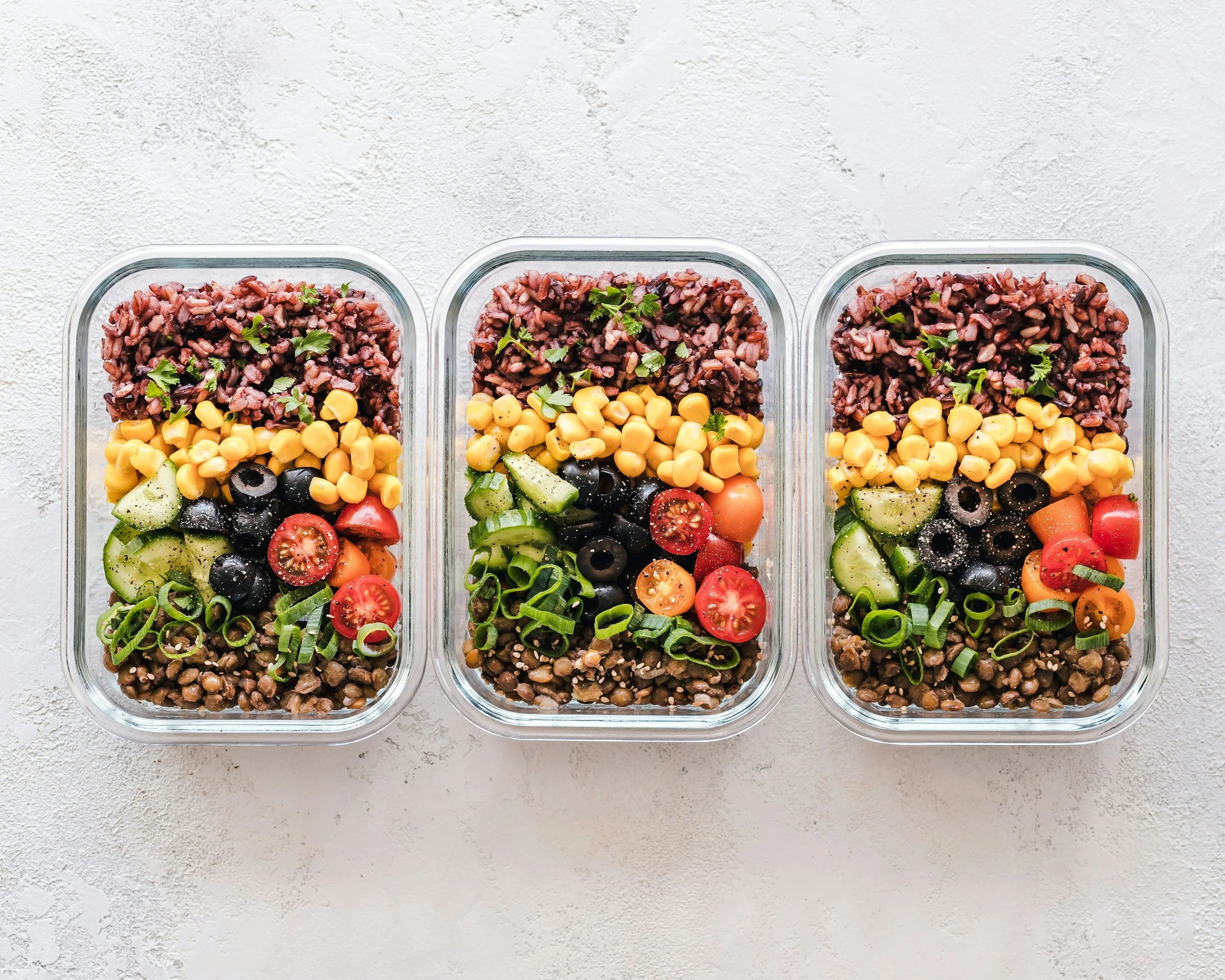
Image sourced by Ella Olsson @ellaolsson
I don’t know about you, but especially after the Christmas holiday season I’m typically carrying a few extra pounds.
Tasty? Definitely!
But it takes some effort to shed the extra.
As the years go by, I want to eat lighter and healthier.
To put it another way, I Aspire to be healthier and leaner.
And that’s typically the focus of my New Year’s Resolutions – to eat healthier, get in better shape and shed a few pounds.
What New Year’s Resolutions do You Set?
To that end, I purchase “Aspirational Groceries” – more fruits, vegetables and leafy greens. More salad.
Food and groceries that better match what I aspire to achieve – My Goals and Aspirations!
But the problem is that I don’t always eat the foods before they spoil – food spoilage.
So, I end up tossing the spoiled food and spoiled groceries into the trash. Ugh!
Which in keeping with the Budget and Grow Rich® theme of saving money and building wealth doesn’t help the cause.
Let me give you a few recent examples where I wasted money.
Maybe you have a few of your own?
| Wasted Groceries & Food | Cost | Estimated Shelf Life |
|---|---|---|
| Beef Shepherd’s Pie | $5.49 | 30 weeks |
| Sliced Deli Turkey | $5.99 | 6.5 weeks |
| Organic Tofu | $2.99 | 9 weeks |
| Tzatziki Creamy Garlic Cucumber Dip | $3.99 | 6.5 weeks |
| Grammy Smith Apples (2) | $2.58 | ~10 days |
| Organic Mini Cucumbers | $2.99 | ~10 days |
| Steamed Lentils | $3.29 | ~24 weeks |
| Plantain Chips | $1.99 | ~18 weeks |
| Frozen Vegetables - Asparagus Spears | $4.29 | ~1 year, 9 months |
| Frozen Vegetables - Organic Broccoli Florets | $2.79 | ~1 year, 3.5 months |
| Raw Shrimp Peeled & Deveined | $9.99 | ~1 year, 6.5 months |
| Total Money Wasted | $46.38 |
Note: the shelf life featured in the table above is My Estimate. I calculated the number of days between the day I visited Trader Joe’s and the expiration date listed on the package. The food you buy, your family’s experience and how you store it will most likely differ. Be sure to check your food and groceries regularly so you don’t eat spoiled food and get sick.
Suppose I waste $46.38, FOUR Times a Year.
That means I waste $185.52 Every Year, after taxes.
If I waste $46.38, SIX Times a Year, that means I waste $278.28 every year, after taxes.
And if I do that every month?
Let’s not go there!
Last weekend, I was cleaning out my freezer and stumbled upon the package of Beef Shepherd’s Pie; Asparagus Spears; Organic Broccoli Florets; and the package of Raw Shrimp Peeled & Deveined.
I’m pretty diligent about grocery shopping and saving money. But. . .
To be candid, I was Surprised how much food I threw out and how much money I wasted on food and groceries!
CLEARLY I was:
Not paying enough attention
Not taking inventory of my food and groceries in my pantry, refrigerator and freezer consistently Before going to the grocery store and supermarket
Not being diligent and consistent with meal planning; and,
Not following my grocery shopping system.
As my Dad use to say, “Do as I say; not as I do. . .”
◊◊◊<§>◊◊◊<§>◊◊◊<§>◊◊◊<§>◊◊◊<§>◊◊◊<§>◊◊◊
How to beat the high cost of groceries, hands down!
The Secret is to create your own customized ‘Triple Play Grocery Savings System.
This simple yet powerful moneysaving technique will pour money into your pockets year in, year out.
Click here!
◊◊◊<§>◊◊◊<§>◊◊◊<§>◊◊◊<§>◊◊◊<§>◊◊◊<§>◊◊◊
Last week, I purchased a package of Trader Joe’s: Roasted & Salted Fancy Mixed Nuts ($8.99); one package of Sesame Sticks ($2.99) and one jar of Organic Peanut Butter ($4.49).
The total cost of these three items equaled $16.47.
The fly in the ointment was that when I got home and started to unload the bags and put the groceries in the pantry, I discovered that I already had Two packages of the Mixed Nuts; Two bags of Sesame Sticks AND Two jars of Peanut Butter.
While these three items have a relatively long shelf life and Won’t spoil, at least not in the near term. . .
Buying extra groceries, extra food, duplicate groceries and duplicate food IS a Poor Use of Cash.
Especially if you carry credit card debt.
Because as soon as you don’t pay off your credit card statement balance in full, you forfeit the grace period and the credit card company starts charging you interest on your outstanding balance, daily.
And that includes interest expense on your new purchases too!
At an Exorbitant rate – often 21% to 24% per year. OUCH!
It is Essentially Impossible to build wealth when you carry credit card debt!
Grace Period means the number of days you have after the statement date (the end of the billing cycle) to pay your statement in full before your credit card company starts charging you interest expense.
A common grace period is 25 days.
I don’t have any credit card debt now. BUT I could have applied the $16.47 to savings or an extra payment on my mortgage.
You might be thinking that $16.47 is a relatively Small Amount of Money that won’t make a difference in the scheme of saving money and building wealth.
But that’s not true. Simply Not True!
Pennies add up!
Dollars add up too!
What’s more, I’d like You to get into the moneysaving mindset / the wealth-building mindset.
Once you do that, people begin to view money and spending differently. And. . .
I find that money savers and wealth builders Continuously think about how they spend their money and look for ways to save money and free up cash to pay down debt and invest money to build wealth.
Grab these 12 ways to change your grocery buying habits to save more money and build more wealth:
Monitor your eating habits, especially with finicky children and picky parents.
Eating habits tend to change over time. What may have been yesterday’s favorite dish becomes today’s dud.
Eat your food and groceries Before the expiration date and when the food is likely to spoil.
Love your leftovers.
Leftovers are what’s called a ‘sunk cost’.
Sunk Cost means “expenses that have already been incurred and cannot be recovered.” according to Investopedia.
Once you purchase food and groceries, you’ve spent the money. You Cannot get the money back!
By using the food and groceries on hand – in your pantry, refrigerator and freezer – You Save Money!
Because you don’t have to purchase new groceries or new food.
Change your buying habits based on your family’s eating habits.
Get a handle on the shelf life of your food and groceries in your pantry, refrigerator and freezer.
Based on each item’s estimated shelf life, Plan your meals so you use up the food and groceries on hand – Before they spoil!
Use your freezer creatively.
To save money and eat healthier, I bring my lunch to work whenever I can.
I often prepare Greek yogurt, green grapes and blueberries.
Typically, I purchase a larger container of blueberries And a smaller container of blueberries. Periodically, I discard the containers and buy new.
I freeze the larger container. I store the smaller container in the refrigerator.
When I use up the blueberries in the smaller container, I move some blueberries from the freezer to the refrigerator.
This extends the shelf life of the blueberries and saves money.
In addition, plan your meals and buying based on your schedule.
My schedule tends to change often, last minute, due to business commitments and events.
This situation can contribute to overbuying and wasting food.
When I take my food inventory, I check the week’s calendar and take into account business meetings, networking events, breakfast meetings and client lunches and dinners. Then I update my grocery shopping list for the week accordingly.
This tactic helps save money and reduce waste.
Again, Before you head to the supermarket and grocery store be sure to take a food inventory and grocery inventory.
Don’t rely on your memory!
While I do have a very good memory, I don’t pay close enough attention to the food and groceries I have in inventory. So. . .
To save money, it’s imperative that you take inventory of the food and groceries you have in your pantry, refrigerator and freezer.
Update your grocery shopping list so you buy food and groceries smartly.
While you’re at it, grab Arthur Van Dam’s Grocery Shopping List.
And customize the grocery shopping list for your family.
This grocery shopping list is my grocery shopping system.
Which helps me organize my grocery shopping / buying, manage my spending and Save Money, Every Week!
When practical, Skip a trip to the supermarket or grocery store This Week to save money.
Use your leftovers.
As my Mom used to say, “Ketchup is the universal antidote. . .”
When you go to the supermarket or grocery store, Stick to your shopping list!
In other words, buy smartly based on your family’s Current and Projected eating habits and food preferences.
Love Your Leftovers!
And every now and again, treat yourself to something yummy!
Until next time,
Arthur VanDam, CPA MBA
To Save More Money on Food and Groceries – click here.
Budget and Grow Rich® – ISSN: 2992-9296 – USA International Standard Serial Number (ISSN)
Disclaimer: OH and Please Remember, we are Not financial advisors, financial planners, attorneys or accountants and are Not providing any specific financial, tax, accounting or legal advice here. Be sure to conduct your own due diligence and consult your own professional advisors to get sound professional advice that’s specific to your financial and personal circumstances, risk tolerance, time horizon and investment goals and objectives among other key factors!

How to Succeed and Achieve Your Dreams!
Tired of the rat race?
To Succeed even bigger, greater and stronger, 10X your success – click here.

Budget and Grow Rich® is the original e-book guide to easy budgeting and wealth-building. Gain financial freedom and pour money into your pockets today and for years to come.
Finally, the proven roadmap to building wealth – how to make a personal budget that really works. Explained in plain English – easy to follow, practical steps. Since 1974, personal finance expert and author Arthur VanDam has used this system to organize his finances, manage his money and amass wealth. Now you can too. This straightforward guide tells all! Handy spending plan worksheet includes 14 categories that does it all. Practical tips and ways on how to create a financial plan and put your financial plan on auto pilot. Budgeting At Your Finger Tips will help You save more money, build more wealth, gain peace of mind and enjoy financial freedom.

Take your Business, Career & Life to a New Level with this Experiential, Immersive Live Event FREE!

How to Make Money in your Spare Time Writing Letters.