How to Earn an Extra $1,000 a Month with Skills You Already Have

Image sourced by Finde Zukunft @findezukunft
Guest article written by Mariah Manzano
Can I be honest? I used to think "earning more" was something that happened to you — a promotion, a lucky break, a boss finally noticing. Cutting expenses felt like the only lever I actually controlled.
But here's what I've learned over the past few years of building a side hustle into a real business: cutting costs has a ceiling. Earning more doesn't. And you don't need a lucky break to start — you probably just need a skill you already have and a few free hours a week.
That's how it started for me. A few freelance web design projects on nights and weekends slowly grew into my own studio, Phased Design, where I now build websites for small businesses, maintain their websites and provide online web marketing services. No startup capital, no inventory, no MBA. Just a skill, some patience, and a plan I mostly figured out as I went.
Here's what I'd share with a friend who wanted to do the same.
Why I'd Pick Freelancing Over Almost Any Other Side Hustle
A lot of side hustle lists point you toward rideshare driving or grocery delivery. Those absolutely pay, and there's no shame in them — but in my experience, freelancing has a few quiet advantages:
Freelancing costs almost nothing to start. The "asset" is your skill, and you already own it. For me, it was a laptop I already had and skills I was already using at work.
You set the rate — and you can raise it. This one changed everything for me, and I'll come back to it in a minute.
It compounds. Every project builds your portfolio, your confidence, and your referrals. Delivery driving pays the same on day 500 as day one. Freelancing doesn't have to.
It's a safety net, not just a side income. A freelance business is something you own — clients, a portfolio, a reputation — and it stays yours no matter what happens with your day job. More on why that matters to me in a second.
The Reason I Really Started: Insurance
I'll share the part of my story I don't always lead with. In 2022, I was part of company-wide layoffs at a 100-person startup. One day I had a job; the next day I didn't — and it had nothing to do with my work or my worth.
That experience changed how I think about income. A paycheck feels stable, but it's ultimately one decision (made by someone else) away from disappearing. What I wanted afterward wasn't just extra money — it was a cushion that belonged to me. Something I built, that no layoff meeting could take away.
That's what a freelance business quietly becomes. Whether or not I have another job, my clients, my portfolio, and my little corner of the internet are mine. If the worst happens again, I'm not starting from zero — I'm turning up the volume on something that already exists.
So even if you never want freelancing to be your main thing, I'd gently make the case for it as a form of insurance. The premium is a few hours a week. The payout is knowing you'll land on your feet.
Step 1: Figure Out What You Already Have
When I talk to friends or mentees about this, the most common response is "but I don't have a skill anyone would pay for." I really don't think that's true — most of us just haven't named ours yet. A few questions that help:
What do coworkers come to you for? Fixing the spreadsheet, wording the tricky email, making the deck look nice. If people already seek you out for it, that's a signal.
What have you done at every job you've had? Scheduling, bookkeeping, customer service, keeping chaos organized — small businesses hire all of this out.
What do friends compliment you on? Your photos, your trip planning, your cooking. Hobbies are just skills in casual clothes.
Try writing down your top three, then pick the one that pays decently and doesn't drain you–time-wise, emotionally, or financially. (That second part matters more than you'd think — this is happening in your spare hours.)
Step 2: Your First Client Is Closer Than You Think
I didn't launch my freelance web design agency with a polished website or a logo. My first clients came from simply telling people what I was doing. If I were starting over, here's what I'd do again:
Text ten people something like: "I'm taking on freelance [design/writing/bookkeeping] projects on the side — know anyone who could use help?"
Price that first project low enough that saying yes is easy — for them and for you. I promise this isn't underselling yourself; it's buying your first testimonial.
Deliver well, then ask for a referral. In my experience, one happy client quietly turns into three.
By sharing my skills, my first clients were typically family members and close friends who have been needing someone like me. Since I’m already credible with them, it was an easy hire.
Even one small $250 project a month is $3,000 a year — real money for your emergency fund, IRA, or debt payoff.
The Raise I Gave Myself (My Favorite Part)
Here's the piece I wish someone had told me on day one: you don't have to wait for anyone to give you a raise. You can build one in.
I started at a genuinely low hourly rate. But with each new project, I nudged my rate up. Project by project, my "salary" climbed — not because a manager approved it, but because my portfolio and results earned it. Looking back, those small, steady increases did more for my income than any annual review ever had.
If you try this, my only gentle advice: raise your rate when your work justifies it, and let your happy clients be the proof. It felt uncomfortable the first few times. It stopped feeling uncomfortable as I felt that the pricing finally reflected the value I provided to my clients.
Step 3: Climb the Ladder — Turn Your Skill into Digital Products
This is the part most side hustle articles skip, and honestly, it's my favorite topic.
Freelancing trades hours for dollars. Digital products break that trade. A digital product is something you make once and sell over and over — no shipping, no inventory, and nearly all margin after platform fees.
And your freelance work tells you exactly what to make, because clients keep asking for the same things. Some ideas across every skill level:
Templates: Notion planners and budgeting dashboards, website templates, social media templates, resume templates
Guides and plans: travel itineraries, meal plans, recipe collections, how-to workbooks
Checklists and printables: wedding checklists, moving checklists, home maintenance schedules
I've watched this ladder work in my own life: the same design skills I sell through my studio also power the templates and travel guides I create through my content brand, SPACES Travel & Design. The client work pays today; the products keep paying tomorrow.
You don't need thousands of buyers, either. A $19 template that sells 25 copies a month is $475 in mostly-passive income. A couple of those and you've quietly built a second paycheck.
The Wealth-Building Math
Since this is Budget and Grow Rich®, let's run the numbers together.
Say your side hustle brings in a modest $500 a month — a freelance project or two plus some template sales. If you invest that $500 monthly at a 7% average annual return:
After 5 years: about $35,800
After 10 years: about $86,500
After 20 years: about $260,000
A quarter of a million dollars, from skills you already had and hours you might have spent scrolling or binge-watching the newest show. Grow it to $1,000 a month and you can double every number above.
If You Want to Start This Week
No pressure — but if you're feeling the itch, here's a gentle first week:
Monday: Write your skills inventory. Three skills, circle one – the one that resonates most loudly with you.
Tuesday: Set up a simple way to get paid (PayPal, Venmo business, or Stripe).
Wednesday: Message ten people about what you're offering.
This weekend: Sketch a first digital product idea based on what people already ask you for.
Every month after: Send side hustle earnings straight to savings or investments before they land in checking.
The raise you've been waiting for might already be in your hands. It was for me — I just had to give it to myself, one project at a time.
Mariah Manzano is the founder of Phased Design, a web design and development studio serving small businesses, and the creator behind SPACES Travel & Design, where she shares travel guides and digital templates. Connect with Mariah on LinkedIn and Instagram.

How to Succeed and Achieve Your Dreams!
Tired of the rat race?
To Succeed even bigger, greater and stronger, 10X your success – click here.
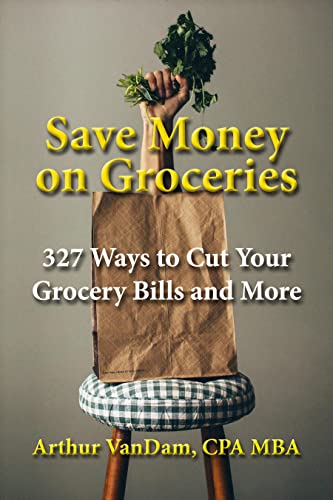

Budget and Grow Rich® is the original e-book guide to easy budgeting and wealth-building. Gain financial freedom and pour money into your pockets today and for years to come.
Finally, the proven roadmap to building wealth – how to make a personal budget that really works. Explained in plain English – easy to follow, practical steps. Since 1974, personal finance expert and author Arthur VanDam has used this system to organize his finances, manage his money and amass wealth. Now you can too. This straightforward guide tells all! Handy spending plan worksheet includes 14 categories that does it all. Practical tips and ways on how to create a financial plan and put your financial plan on auto pilot. Budgeting At Your Finger Tips will help You save more money, build more wealth, gain peace of mind and enjoy financial freedom.

Take your Business, Career & Life to a New Level with this Experiential, Immersive Live Event FREE!

How to Make Money in your Spare Time Writing Letters.
